
Functional Strength Training in DC: Strength and Balance That Follow You Outside the Gym
Standard gym routines promise results, yet they frequently fail on the street[cite: 4]. You can push heavy weight on a seated chest press or log miles on a linear treadmill, but those isolated movements rarely prepare your body for the physical demands of real life[cite: 4]. Washington, DC is an active city filled with high-performing professionals who spend long hours at a desk, only to sprint through airports on business trips, tackle weekend trail runs along the Potomac, or navigate crowded city sidewalks[cite: 4].
Arbitrary workouts only create arbitrary results[cite: 4]. True physical capability is not measured by how much weight you can move in a single plane of motion on a machine[cite: 4]. It is defined by how efficiently your body stabilizes, rotates, and generates force in every direction[cite: 4]. Functional strength training approaches human movement as a dynamic system[cite: 4]. By shifting the focus toward biomechanical efficiency, joint stability, and objective data, you build a foundation of physical power that translates directly to your life outside the gym walls[cite: 4].
The Gap: Why Conventional Workouts Leave You Unbalanced Outside the Gym
Traditional fitness routines rely heavily on fixed-path machines and isolated exercises[cite: 4]. While these methods can build localized muscle size, they fail to prepare your kinetic chain for real-world stress[cite: 4].
Sitting at a desk for eight to twelve hours a day forces your hips into chronic flexion, turns off your gluteal muscles, and shifts your shoulders forward into a rounded posture[cite: 4]. Walking straight to a gym floor to perform heavy leg extensions or seated overhead presses compounds these issues rather than resolving them[cite: 4].
- Lack of Multi-Planar Engagement: Most gym equipment locks your body into the sagittal plane (moving only forward and backward)[cite: 4]. Daily life requires movement across the frontal plane (side-to-side) and transverse plane (rotational)[cite: 4].
- Missing Joint Stabilizers: Machines balance the load for you[cite: 4]. This deprives your deep core, hip abductors, and scapular stabilizers of the work required to maintain joint integrity[cite: 4].
- Rigid Movement Patterns: Fixed levers force your joints into non-customized paths, increasing shear stress on your lower back, knees, and shoulders[cite: 4].
- Compensatory Wear and Tear: When small stabilizing muscles are weak, prime movers overcompensate[cite: 4]. This creates chronic tightness, movement friction, and eventual pain[cite: 4].
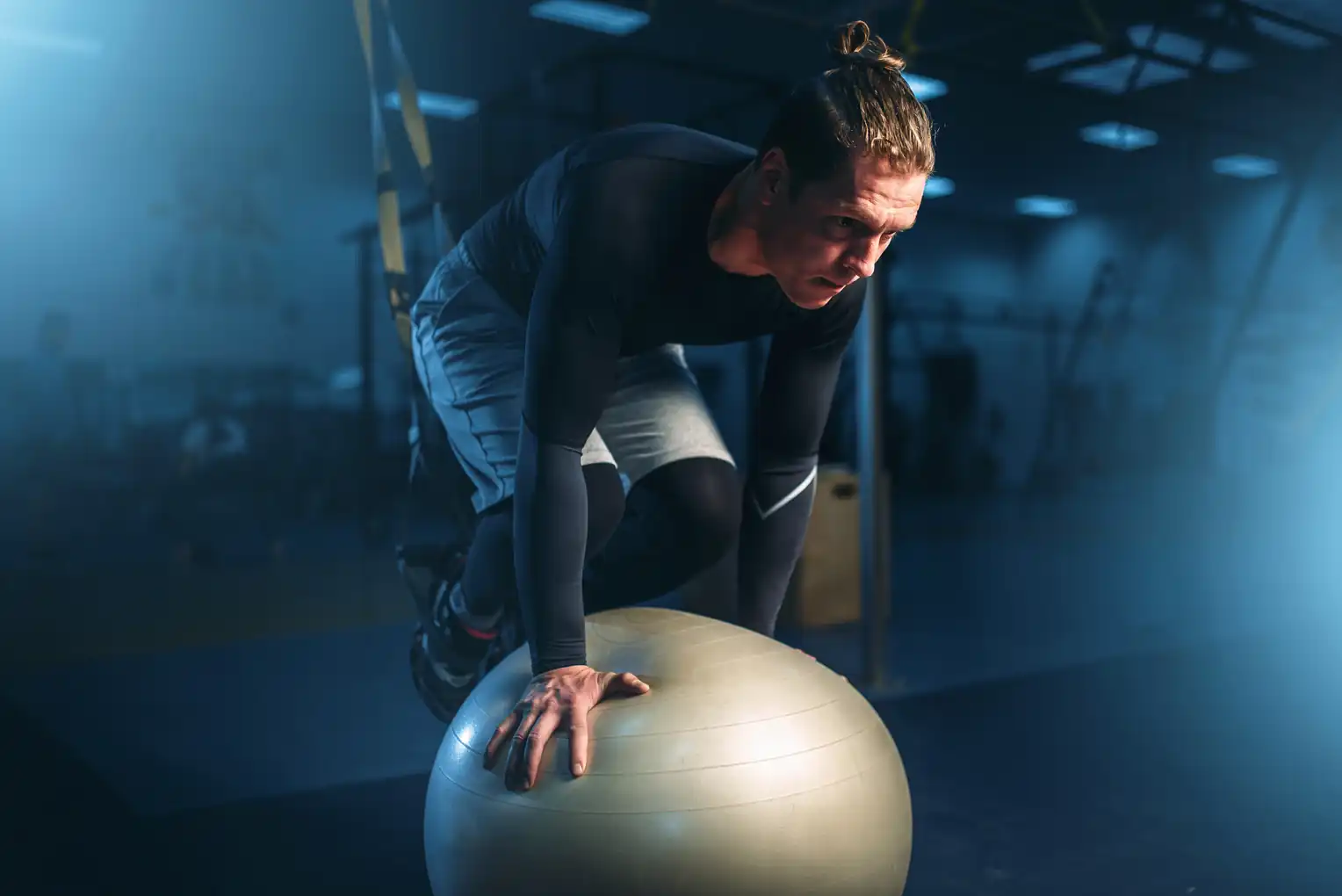
Biomechanics of Transfer: How Functional Training Translates to Daily Life
Functional movement patterns train movements, not isolated muscle groups[cite: 4]. Rather than targeting your biceps or quads in isolation, functional strength integrates your entire body as a single, synchronized unit[cite: 4].
When you train your body to work in harmony, you develop transferable strength[cite: 4]. This biomechanical coordination ensures that every ounce of effort in the gym yields tangible benefits during outdoor sports, travel, and daily physical tasks[cite: 4].
- The Hinge: Teaches powerful posterior chain engagement[cite: 4]. Essential for lifting heavy luggage or picking up equipment off the floor without straining your lumbar spine[cite: 4].
- The Squat: Builds deep hip mobility and quad strength[cite: 4]. Translates directly to navigating steep incline trails, stairs, and sitting down or standing up with ease[cite: 4].
- The Push & Pull: Balances upper-body tension across horizontal and vertical angles[cite: 4]. Rebuilds shoulder alignment compromised by prolonged keyboard use[cite: 4].
- The Carry: Forces your trunk to resist asymmetric rotation and lateral bending under load[cite: 4]. Builds resilient grip strength and functional core endurance for carrying groceries or heavy gear[cite: 4].
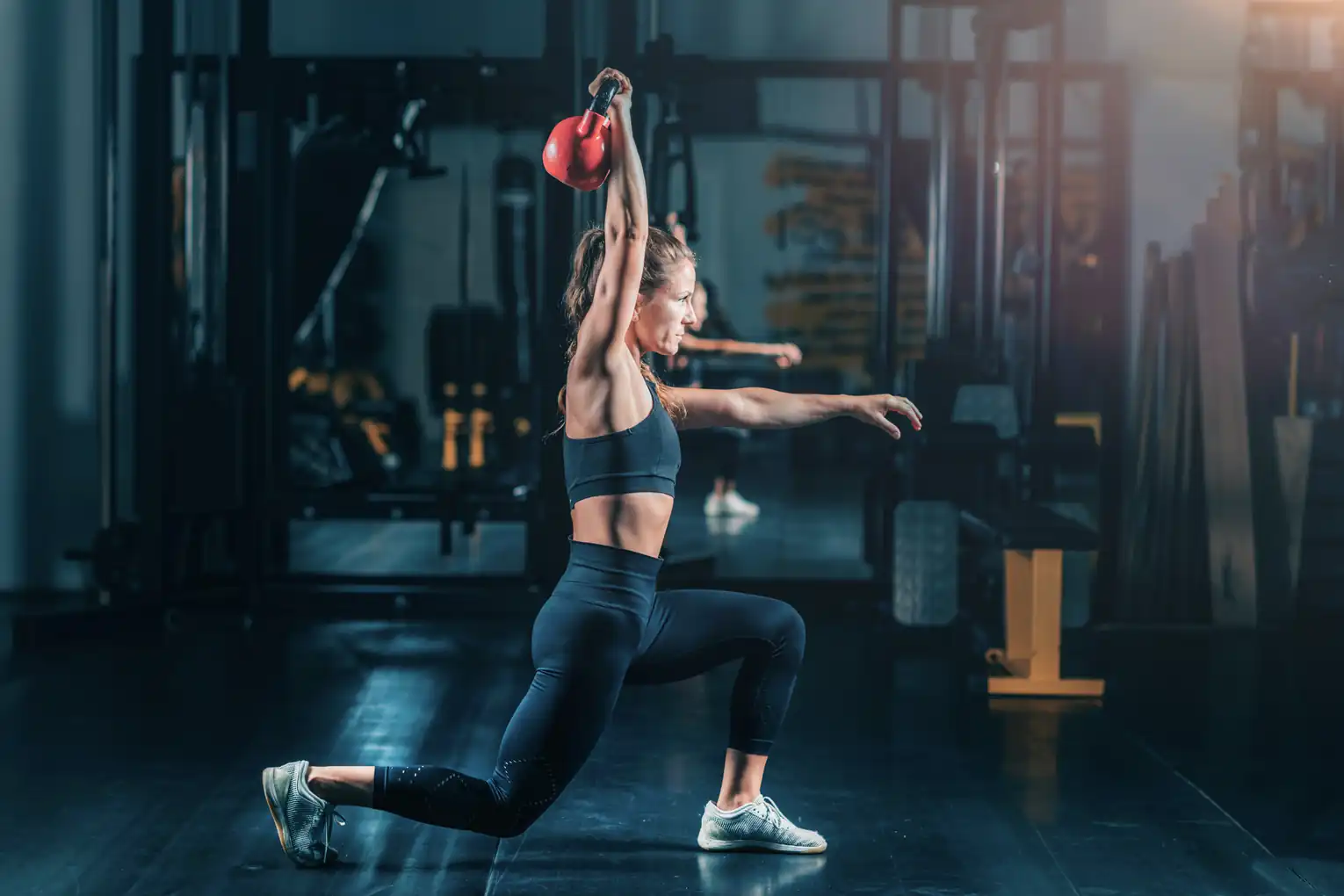
- The Rotation & Anti-Rotation: Trains your torso to transfer or resist rotational forces[cite: 4]. Vital for tennis, golf, running, and preventing sudden twisting injuries[cite: 4].
The Data Advantage: Tracking Structural Balance and Movement Efficiency
Guessing is the enemy of progress[cite: 4]. You cannot optimize your movement health if you do not measure your physical baseline[cite: 4].
At Thesis, we eliminate guesswork by applying objective assessment protocols to evaluate how your body handles load, manages fatigue, and maintains balance[cite: 4].
- Postural and Kinetic Alignment Screening: Identifies static asymmetry, pelvic tilts, and shoulder drop before you ever lift a heavy weight[cite: 4].
- Functional Movement Baselines: Tests active range of motion, ankle dorsiflexion, hip internal/external rotation, and thoracic spine extension[cite: 4].
- Load Capacity and Asymmetry Tracking: Uses force-plate tech and velocity monitoring to reveal unilateral strength discrepancies between your left and right sides[cite: 4].
- Biometric Feedback Monitoring: Evaluates recovery readiness through resting heart rate, heart rate variability, and movement speed to prevent overtraining[cite: 4].
The Thesis Ecosystem: Integrated Training, Nutrition, and Physical Therapy
Achieving elite physical condition requires a unified approach[cite: 4]. Most DC residents are forced to piecemeal their health management, seeing a trainer at one facility, a physical therapist across town, and managing their nutrition entirely alone[cite: 4].
Thesis solves this disconnect by uniting every dimension of human performance into a single, highly coordinated system[cite: 4].
- Full-Time Professional Coaches: Our floor is staffed entirely by full-time, salaried fitness professionals who are invested in coaching[cite: 4].
- On-Staff Physical Therapists: We integrate therapeutic movement directly into your strength program, resolving joint pain and old injuries on the spot[cite: 4].
- Precision Nutrition Coaching: We align your daily energy demands, macro distributions, and recovery needs with your specific training load[cite: 4].
- The Thesis App Integration: Your workout metrics, mobility protocols, and biometric trends stay centralized in one place for complete accountability[cite: 4].
- Tailored Programming: Every workout is custom-built around your personal movement profile, career stress level, and lifestyle targets[cite: 4].
Frequently Asked Questions
What separates functional strength work from traditional bodybuilding or powerlifting?
Traditional bodybuilding focuses primarily on isolated muscle hypertrophy (building size) using single-joint movements or machines[cite: 4]. Powerlifting centers on maximizing maximal weight load across three specific lifts (squat, bench press, deadlift) in a single plane[cite: 4]. Functional strength training prioritizes movement quality across all three spatial planes, training your nervous system and kinetic chain to handle real-world physical demands, structural balance, and multi-directional athleticism[cite: 4].
Can individuals with desk-related tightness or old injuries join a functional program safely?
Yes[cite: 4]. Functional strength training is designed to identify and correct the specific joint restrictions and muscle imbalances caused by long hours at a desk[cite: 4]. Every program begins with a movement assessment to establish your baseline[cite: 4]. Exercises are modified to match your current joint mechanics, allowing you to build strength, rebuild tissue tolerance, and resolve lingering discomfort safely[cite: 4].
Which objective testing methods are used to evaluate structural balance and movement progress?
Movement progress is measured using objective biomechanical screenings, unilateral load testing, range-of-motion assessments, and biometric tracking[cite: 4]. By evaluating force distribution, kinetic alignment, and movement efficiency over time, adjustments are made based on hard data rather than guesswork[cite: 4].
How does the coaching structure at Thesis differ from high-volume group classes or standard commercial gyms?
Standard commercial gyms often hand clients template workouts with minimal supervision, while group fitness classes focus on high-cardio fatigue without accounting for individual joint mechanics[cite: 4]. Thesis operates as a coordinated athletic department[cite: 4]. Every trainer, physical therapist, and nutrition specialist on our floor is a full-time, salaried professional working collaboratively on your personalized plan[cite: 4].
What training frequency is necessary to achieve noticeable real-world movement improvements?
For most high-performing adults, three structured sessions per week deliver optimal results[cite: 4]. This frequency allows for progressive overload and nervous system adaptation while providing adequate time for muscular recovery and stress management[cite: 4].
Elevate Your Baseline for Life
True physical capability is not built on single-plane machines or random workouts designed solely to make you sweat[cite: 4]. It is forged through intentional, biomechanically sound movement that respects how your body is engineered to function[cite: 4]. When you build structural balance, multi-planar power, and joint resilience, your strength stops staying behind in the weight room[cite: 4]. It follows you onto the trail, into your busy workweek, and through every active pursuit you choose to take on[cite: 4].
Are you ready to take control of your long-term health? Join us at Thesis for a complimentary performance baseline assessment to discover your current metrics[cite: 4].

Written by Ori Perlman
Ori Perlman is the Founder and CEO of Thesis. A former special operations combat specialist, Ori mastered peak physical conditioning before transitioning to the corporate world. While studying in Hong Kong, he built a premier training business helping high-power professionals optimize their fitness and physique around demanding schedules. Today, he leads Thesis in delivering data-driven, sustainable health transformations tailored for high-achievers.
Washington DC Services
Tysons Services
- Couples Personal Training Tysons
- Functional Strength Training Tysons
- HIIT Workouts Tysons
- Injury Prevention Rehab Tysons
- Muscle Building Tysons
- Nutrition Coach Tysons
- Personal Trainer for Seniors Tysons
- Physical Therapy Tysons
- Postpartum Personal Trainer Tysons
- Prenatal Personal Trainer Tysons
- Sports Performance Training Tysons
- Stretching and Mobility Tysons
- Weight Loss Tysons


