
The High-Tech Plateau
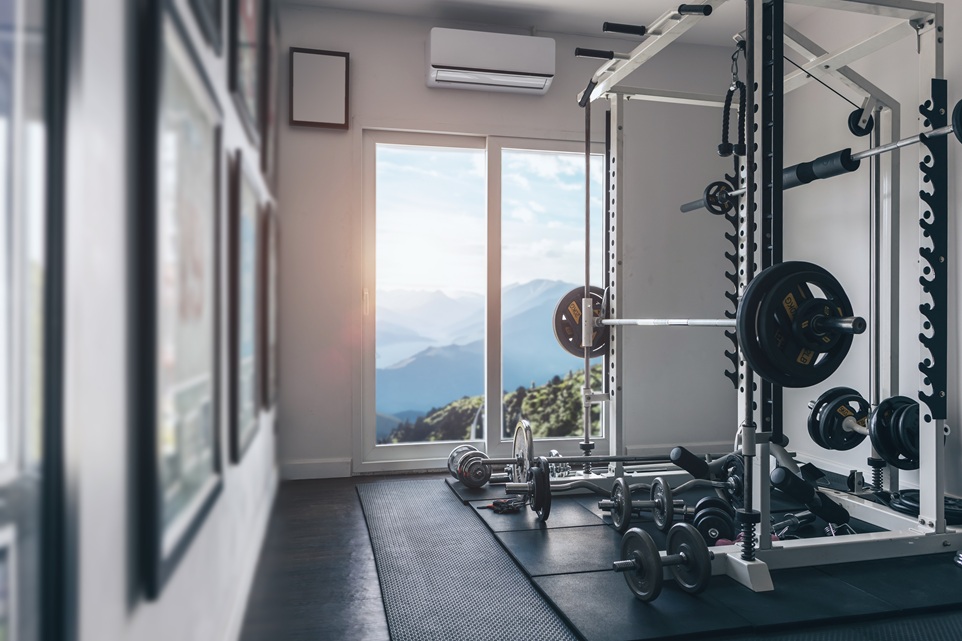
High‑achieving professionals around the Washington, D.C. area have filled their homes with premium fitness tech equipment like Peloton and Tonal, hoping convenience would also generate long‑term progress. But after months of consistent effort, many of them are hitting the same wall: no new strength gains, no visible muscle development, and no forward momentum. Hitting classic strength-training plateaus means your body adapts, the stimulus stops progressing, and your results flatline. It’s not your fault; you’re sweating but aren’t getting any stronger. It’s the natural ceiling of algorithm‑based workouts. Breaking through requires progressive overload, expert coaching, and real resistance, instead of simply more reps on a screen. Thesis Gym was built for this exact moment, giving D.C. professionals the programming and coaching needed to reignite their progress and build up their measurable strength again.
The Absence of Mechanical Overload
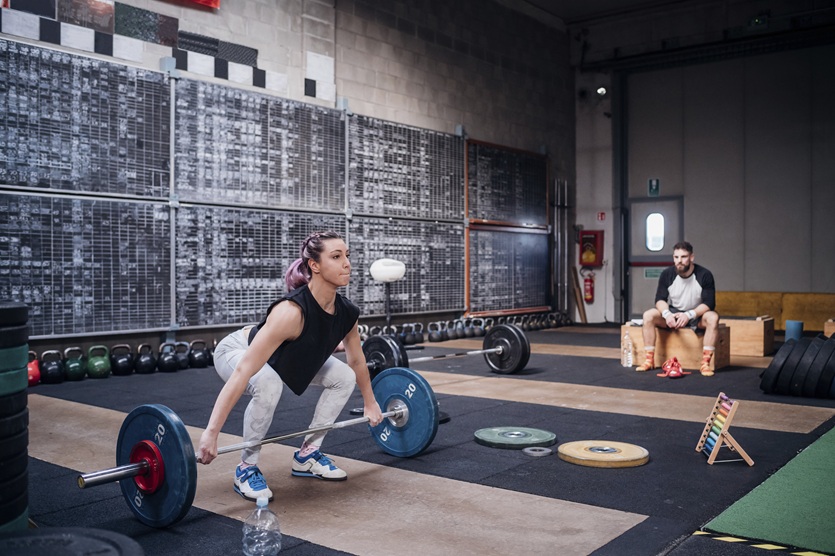
The physiological limitations of home high‑tech fitness systems fail because they can’t deliver true mechanical overload. When forced to overcome resistance they aren’t accustomed to, muscle strength increases. Peloton rides and Tonal workouts may benefit cardio and overall fitness, but without resistance, muscle strength stalls. Once you adapt to your home gym’s heaviest load, your progress will end, even if you’re highly motivated and consistent.
To achieve more progress, you’ll have to change from calorie-burning workouts to strength training using heavy, loadable free weights, which is the exact type of resistance your body will respond to. At Thesis Gym, we specialize in helping D.C. professionals escape the tech plateau, rebuilding strength, and achieving measurable, sustainable fitness goals.
The Science of the Hypertrophy Stimulus
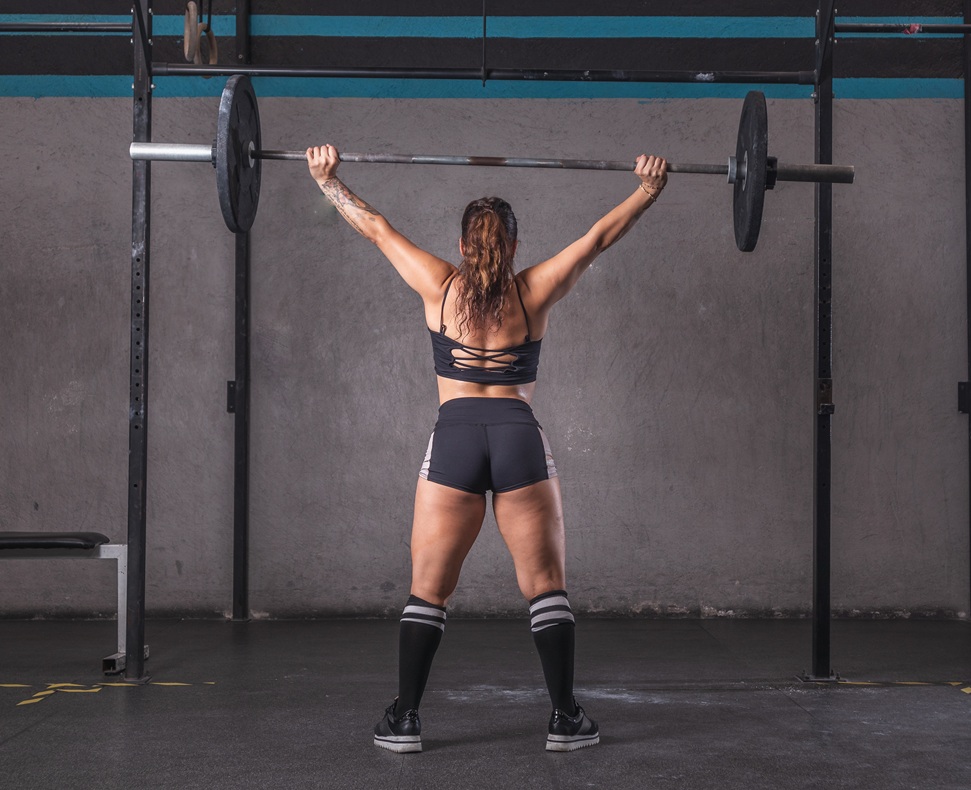
The scientific foundation of every evidence‑based strength program is that to build muscle, you have to consistently reach or approach hypertrophy stimulus. It's the point where your muscles are pushed to the threshold of failure and need to adapt.
Some workouts accumulate what trainers refer to as junk volume, which are reps that burn calories but never challenge your muscles enough to reach adaptation. The difference between working out and training is that with proper training, you hit the right threshold to grow, instead of simply feeling fatigued. Most D.C. professionals training on Peloton, Tonal, or lightweight dumbbells never reach this threshold, so despite their months of effort, they don’t have any visible strength gains.
Our skilled Thesis trainers can guide you to the exact intensity you need to reach to stimulate new muscle tissue. Each of our training blocks for powerlifting in D.C. delivers progressive overload, controlled failure, and measurable strength increases, which no algorithm can match or replicate.
Why True Failure Requires a Spotter
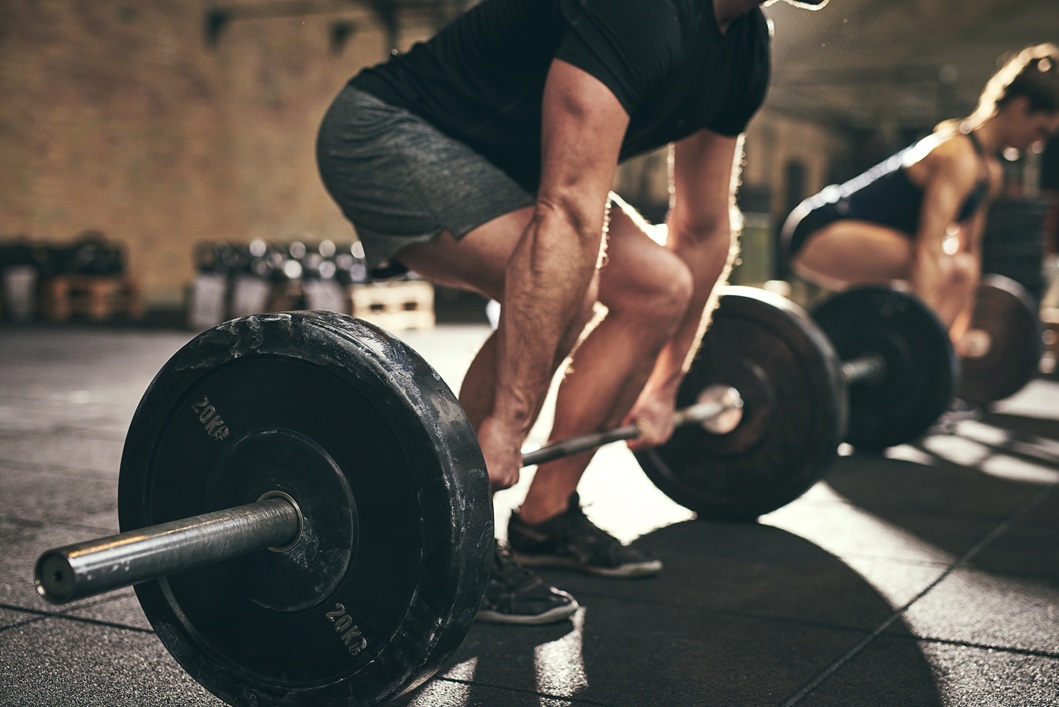
The biggest danger in home‑gym training isn’t motivation, it’s safety. It's inherently unsafe to push a heavy barbell squat or bench press to failure when you’re alone in your basement. Home lifters subconsciously stop 2-3 reps short of failure, and completely miss the growth stimulus. Using a trained eye and hands-on support, a professional trainer acts as a safety net, encouraging the lifter to confidently push past their mental barriers for real adaptation. Equipped with heavy free weights, specialized barbells, calibrated plates, and the proper infrastructure for powerlifting in our premium D.C. facility, our Thesis trainers enable you to break plateaus, allowing you to push harder and lift heavier, while unlocking the level of effort your home gym can’t access.
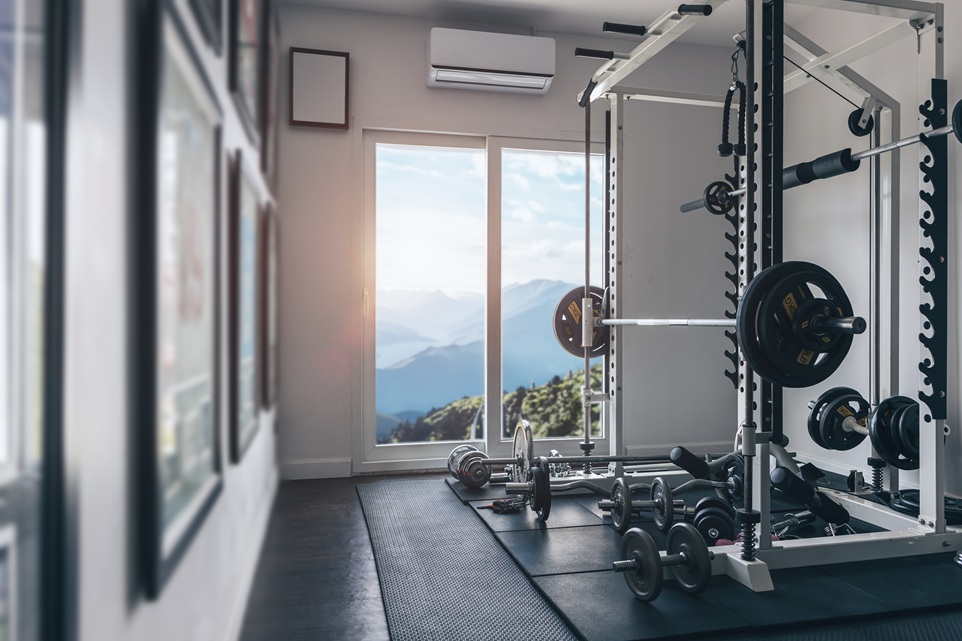
At the end of the day, the personal trainer vs. home gym debate comes down to one truth: convenience should never come at the cost of results. When you’re deciding between a personal trainer vs. a home gym, you're picking between staying stuck and finally growing. Even the most disciplined D.C. professionals can’t override the survival instinct that kicks in when a heavy barbell is hovering over their chest. Without a spotter, without calibrated plates, without specialty barbells, and without a controlled training environment, you’ll always fall short of the stimulus required for real growth. If you’re serious about breaking through your plateau, then you need the right load, the right environment, and the best guidance available from our team at Thesis. Break your plateau with a 1-on-1 'Heavy Lift' session. We’ll provide the spotting and the specialized bars you don’t have at home.
Frequently Asked Questions (FAQ)
Why am I hitting strength-training plateaus with my home gym?
High-tech home gyms often lack the heavy, loadable free weights necessary for true mechanical overload. Once your body adapts to the maximum resistance your home equipment provides, your muscle development stops progressing and results flatline.
How does a personal trainer vs. home gym compare for muscle growth?
While home gyms offer convenience, they often fail to push you to the hypertrophy stimulus needed for real growth. A personal trainer provides expert coaching, strategic progressive overload, and essential spotting for safety, allowing you to lift heavier and push past mental barriers safely.
Is powerlifting in D.C. safe for beginners?
Absolutely. When performed in a premium facility with specialized equipment and the hands-on support of an expert spotter, powerlifting is highly safe and effective. Our trainers ensure your form is perfect while guiding you to safely overcome your plateaus.

Written by Ori Perlman
Ori Perlman is the Founder and CEO of Thesis. A former special operations combat specialist, Ori mastered peak physical conditioning before transitioning to the corporate world. While studying in Hong Kong, he built a premier training business helping high-power professionals optimize their fitness and physique around demanding schedules. Today, he leads Thesis in delivering data-driven, sustainable health transformations tailored for high-achievers.
Washington DC Services
Tysons Services
- Couples Personal Training Tysons
- Functional Strength Training Tysons
- HIIT Workouts Tysons
- Injury Prevention Rehab Tysons
- Muscle Building Tysons
- Nutrition Coach Tysons
- Personal Trainer for Seniors Tysons
- Physical Therapy Tysons
- Postpartum Personal Trainer Tysons
- Prenatal Personal Trainer Tysons
- Sports Performance Training Tysons
- Stretching and Mobility Tysons
- Weight Loss Tysons


